Key Questions Summary
1. What were the main QA goals on the project?
To eliminate manual testing bottlenecks, accelerate release velocity, prevent API and UI regressions, and drastically cut down the maintenance bandwidth lost to broken locators and flaky tests.
2. How was it implemented?
Through an end-to-end Autonomous AI QA Framework with Human-in-the-Loop control. A specialized API Agent analyzed API documentation to generate Playwright API tests. Playwright UI Agents (Planner, Generator) handled frontend suites, while a Trace Auto-Healer repaired broken tests. Defect logging and PR workflows were fully automated using ClickUp MCP, GitHub skills, and CI affected-test execution.
3. What tools were used?
Claude AI (core engine), Model Context Protocol (MCP) for Markdown documentation context, Custom API Testing Agent for Playwright API suites, Playwright Test Agents (Planner, Generator, Trace Healer), ClickUp MCP (for ClickUp bug creation), GitHub skills (for GitHub Issues and PR automation), CI/CD pipelines running affected tests based on code file changes, and an autonomous CodeX Agent for PR reviews.
4. What results were achieved?
Accelerated test code generation from hours to 10-15 minutes, reduced regression runs from days to 15-20 minutes, cut test maintenance bandwidth from ~40% to ~10%, and caught ~80% of issues early during automated PR affected-test execution.
5. What is the role of the Human (QA Engineer / SDET)?
Humans act as strategists and governors: thoroughly reviewing AI-generated test plans and code architecture, conducting root-cause analysis on real business logic bugs, maintaining system prompts/MCP specs, and performing high-value exploratory and security testing.
Project Objectives & QA Goals
The primary objective of the QA team on the project was to transform quality assurance from a slow, manual bottleneck into a fast, autonomous quality engine. The project needed to eliminate routine manual testing, accelerate release velocity, prevent production regressions across both API and UI, and drastically cut down the maintenance bandwidth normally lost to patching broken selectors and flaky tests.
Core Architecture & AI Integration
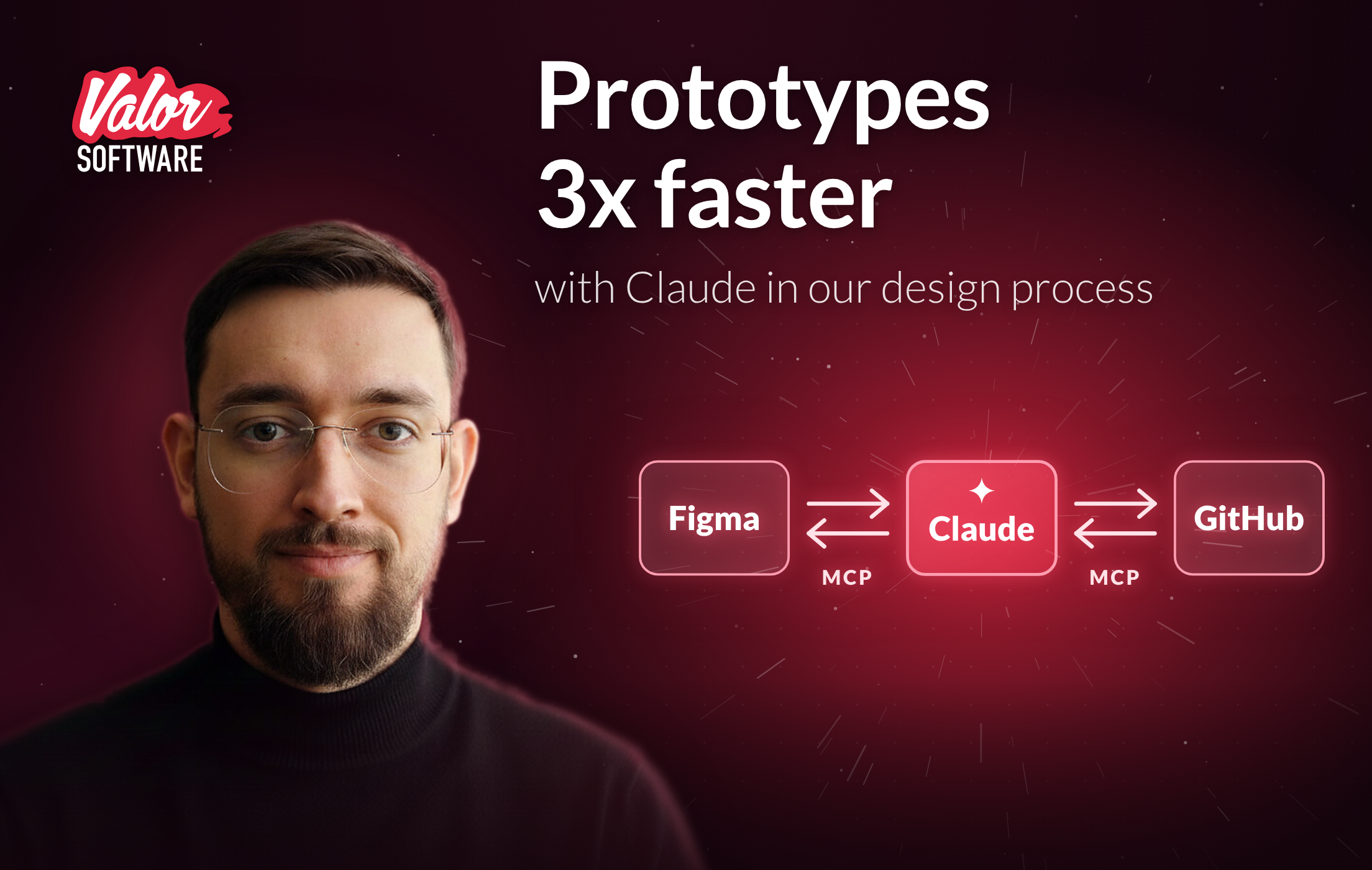
To achieve these goals, an end-to-end Autonomous AI QA Framework was implemented, covering the entire testing lifecycle—from initial API documentation processing to trace-based auto-healing and automated bug logging. The core architecture uses Claude AI as the main reasoning engine and the Model Context Protocol (MCP) as a context bridge. MCP links Claude directly to the project’s markdown repository, significantly lowering hallucination rates by providing structured, deterministic project specifications. Custom skills like ClickUp MCP and GitHub skills handle deterministic tasks like opening tickets and creating pull requests, while autonomous agents manage API and UI test suites.
Backend & Frontend Test Automation
For backend verification, a specialized API Testing Agent analyzes the API documentation, automatically builds structured endpoint documentation, prioritizes endpoints by business risk, and generates comprehensive Playwright API test suites covering positive scenarios, edge cases, and schema validations. For frontend testing, Playwright Test Agents drive a three-stage lifecycle: a Planner Agent explores the UI to map user journeys and generate test plans; a Generator Agent turns approved plans into clean Playwright TypeScript code while enforcing resilient data-testid locators; and an Ultra-Fast Auto-Healer uses the Playwright Trace Agent CLI to analyze DOM snapshots and logs upon failure, automatically repairing broken selectors or timeouts in seconds.
Automated Defect & Release Workflows
The defect and release management workflow is fully automated to maintain high velocity. When a bug is discovered, engineers simply upload a screenshot and a short text note. Custom skills automatically format complete bug reports with environment details and reproduction steps, then log them directly into ClickUp via ClickUp MCP or into GitHub Issues via GitHub skills. Before code merge, automated skills run linting and type checks, update test documentation, create standardized GitHub Pull Requests, and trigger an autonomous CodeX Agent to perform automated code reviews. Crucially, upon PR creation, the CI pipeline selectively triggers only affected tests based on the specific code file changes, significantly reducing overall test run execution times.
The Human Role: Governance, Strategy & High-Value QA
While autonomous agents automate execution and routine maintenance, human QA Engineers and SDETs remain essential as strategic governors (Human-in-the-Loop):
Test Plan & Architecture Review: Human engineers conduct thorough reviews of AI-generated test plans and code architecture, ensuring strategic coverage, security compliance, and proper edge-case handling.
Root-Cause Analysis for Complex Defects: When tests fail due to genuine business logic defects rather than selector issues, engineers analyze root causes and collaborate with developers on fixes.
Context & Infrastructure Management: Engineers maintain MCP specifications, refine AI prompts, update system documentation, and optimize CI/CD automation pipelines.
Exploratory & UX/Security Testing: Freed from repetitive manual regression runs and boiler-plate code drafting, engineers invest dedicated time into high-value exploratory testing, UX evaluations, and security validation.
Key Outcomes & Operational Improvements
Agents handled test execution and routine maintenance, and engineers reviewed plans, code, and failures. The framework delivered clear, observable operational benchmarks across the testing lifecycle:
Accelerated Regression Cycles: Regression testing duration dropped from ~1-2 days of manual verification down to ~15-20 minutes per run.
Catching Regressions Before Merge: Affected tests ran on every PR, so failures surfaced at review time. Approximately 80% of bugs were caught at the PR stage before code ever merged.
Accelerated Test Generation: Code creation time for E2E and API tests was reduced from 3-5 hours of manual scripting to ~10-15 minutes of automated code generation.
Automated Maintenance & Healing: Trace Auto-Healer resolved dozens of broken selector failures automatically, reducing maintenance bandwidth from ~40% down to ~10%.
Key Takeaways & Lessons Learned
Building and deploying an autonomous AI QA framework provided critical insights for modern quality engineering teams:
Context Beats Prompting: Giving the agent the project’s markdown specs through MCP kept generated tests grounded in actual requirements. Without MCP context, an agent generated a Playwright login suite using generic input selectors (#username, #password) rather than the project’s specific dynamic test attributes and auth API tokens, causing early pipeline failures.
Auto-Healing Speeds Up CI, Not Requirements: Automated selector repair resolves broken locators quickly, but human oversight is required to ensure tests aren’t patched over legitimate breaking changes.
AI Shifts Human Value, It Doesn’t Replace It: AI agents excel at repetitive code scaffolding, locator mapping, and test execution. Humans remain indispensable for high-value risk assessment, comprehensive test plan reviews, exploratory edge cases, and strategic business governance.
Before vs. After Baseline Summary
| Metric / Parameter | Before (Manual / Legacy Auto) | After (Autonomous AI QA Framework) |
|---|---|---|
Test Code Writing (E2E/API) | 3-5 hours (manual locator search & drafting) | ~10-15 minutes (automated code generation) |
Regression Run Duration | ~1-2 days (full suite runs / manual checks) | ~15-20 minutes (selective affected-test CI runs) |
Test Maintenance Overhead | ~40% bandwidth spent fixing broken selectors | ~10% bandwidth (Trace Auto-Healing) |
Early Bug Detection (Shift-Left) | Late-stage discovery right before release | ~80% of defects caught at PR review stage |
Building something similar? Get in touch at [contact] and we’ll compare notes.